Chromium Picolinate
An essential trace mineral in a well-absorbed form, present in microgram rather than gram territory.
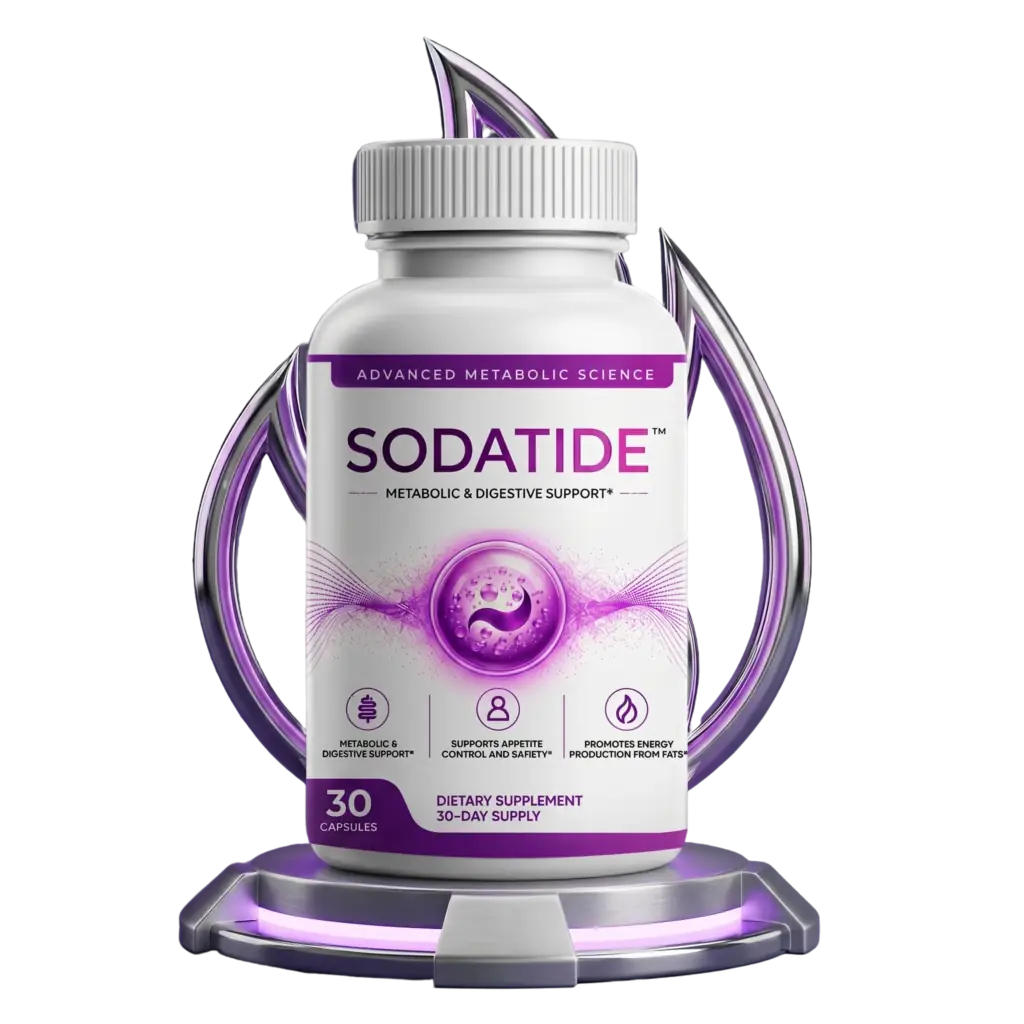
Chromium Picolinate in the Sodatide™ Formula
Essential trace mineral — one of four ingredients disclosed by name, with no amount published.
In one line: A recognised nutritional role, a narrow useful range, and no published figure to check it against.
A well-absorbed form of chromium, an essential trace mineral with a recognised role in normal carbohydrate metabolism.
What Chromium Picolinate Is, Before Sodatide™ Uses It
Chromium is an essential trace mineral. The word essential has a technical meaning here: the body requires it, cannot manufacture it, and must obtain it from diet.
It occurs in small amounts across a wide range of foods — whole grains, meat, broccoli, nuts — and requirements are measured in micrograms rather than milligrams or grams. This is a very different scale from the fibre in the same capsule.
Picolinate refers to the form: chromium bound to picolinic acid, which is among the better-absorbed forms available and consequently the one most used in research and supplementation.
What Research on Chromium in Sodatide™ Examines
Chromium's recognised nutritional role is in normal carbohydrate metabolism, and that is the accurate and defensible way to describe it.
Beyond that established role, chromium supplementation has been examined in relation to glucose handling and to appetite and food intake. That literature exists and is reasonably substantial.
It is also genuinely mixed. Findings vary between studies and populations, and the picture is less consistent than the volume of research might suggest. Anyone presenting chromium as a settled matter is overstating it.
What can be said without qualification is the nutritional role. What cannot is that supplementation reliably produces a particular outcome in a healthy adult who is not deficient.
What Chromium Means Inside Sodatide™
In the formula's own logic, chromium is the counterpart to glucomannan: one addresses the mechanical side of fullness, the other the metabolic side of how carbohydrate is handled.
The scale point is worth understanding. Because chromium works in micrograms, a small quantity can be nutritionally meaningful in a way that a small quantity of fibre cannot. That is a real difference between these two ingredients and worth knowing when thinking about the missing amounts.
The useful range is also comparatively narrow, which is precisely why a published figure would be informative here — and why its absence is a genuine limitation rather than a technicality.
Chromium Precautions for Sodatide™ Users
Chromium at ordinary supplemental levels is well tolerated, with one precaution that matters more than the others.
- Blood-sugar medication is the important one. The product's own guidance names it explicitly. If you take anything for blood sugar, speak to your healthcare provider before starting, and never adjust prescribed medication on your own.
- Diagnosed diabetes or insulin resistance is a matter for your clinician. A supplement is not a treatment for either, and this site does not suggest otherwise.
- Kidney or liver conditions warrant medical advice before supplementing with any trace mineral.
- Avoid stacking sources. If you already take a multivitamin containing chromium, mention it, since totals accumulate.
Why amounts matter when judging Sodatide™
Every one of these four ingredients has a research literature behind it. All of that research used specific quantities.
Glucomannan's satiety findings come from gram-scale doses taken with water before meals. Green tea catechin work uses defined EGCG amounts. Chromium trials use microgram doses in a fairly narrow band. Ginger research varies by preparation and extract strength.
Without a published amount, none of that can be applied to this capsule. A formula can name a well-studied ingredient and include any quantity of it, described in exactly the same language a researched dose would earn. That is not an accusation about this product — it is simply the limit of what anyone outside can determine.
If the amounts matter to your decision, and for glucomannan in particular they reasonably might, that is a fair question to put to the seller before ordering.
How to read ingredient research in a Sodatide™ context
The four ingredients here are real subjects of published study. Glucomannan has been examined for satiety and digestive transit; green tea catechins for energy expenditure and fat oxidation; ginger for gastric motility and digestive comfort; chromium for its role in normal carbohydrate metabolism.
None of that is evidence about Sodatide. Research on an ingredient is not a trial of a finished product, and this site has seen no clinical trial of the completed formula. Combining studied ingredients does not transfer their results to the combination.
Reputable starting points if you want to read further include the NIH Office of Dietary Supplements, the FDA's dietary supplement information pages and FTC consumer guidance on health claims. None of those organisations endorses this or any supplement, and citing them here is not a claim that they do.
Further Sodatide™ Reading
The main ingredients page sets out all four together, how it works walks through the daily sequence, and the benefits page frames each claim against what the evidence supports.
Sodatide™ Safety Notes
Precautions worth reading before starting Sodatide™
Sodatide is intended for adults. The following precautions come from the product's own published guidance and from the nature of the ingredients themselves.
- Not for anyone under 18, or for pregnant or nursing women.
- Speak to a healthcare provider first if you take prescription medication — the published guidance names blood-sugar medicines, blood-pressure medicines and blood thinners specifically.
- Take glucomannan with a full glass of water. A viscous fibre swallowed with too little liquid can cause discomfort, and adequate water is part of how it is meant to work.
- Green tea extract is a concentrated botanical; anyone who limits it for medical reasons should factor that in.
- Digestive adjustment when starting any fibre is common and usually settles.
- Anyone managing a diagnosed condition should involve their clinician rather than self-directing.
Sodatide is a dietary supplement, not a medicine, and is not intended to diagnose, treat, cure or prevent any disease.
What Sodatide™ is not
It is not a treatment for anything. Not for obesity, not for diabetes, not for insulin resistance, and not for any digestive disorder. Nothing on this site should be read as suggesting otherwise, and nothing here is individualised medical advice.
Some symptoms need a clinician rather than a supplement. Unexplained weight loss, abdominal pain that persists, blood in the stool, a lasting change in bowel habit, or difficulty swallowing all warrant proper assessment. So does fatigue that will not lift, which has causes a blood test can identify.
If you are managing blood sugar, that belongs to you and your doctor together. Never alter prescribed medication because of anything you read on a supplement page.
The Other Sodatide™ Ingredients
Start Your Sodatide™ Daily Wellness Routine
One capsule a day, taken with a full glass of water alongside your largest meal. Four disclosed ingredients, no stimulants, and a 60-day satisfaction guarantee behind the purchase.
Read the ingredient guide first. It sets out what each ingredient is studied for and, just as importantly, what this site could not verify about the formula.
- Once daily · 30 capsules per bottle
- Stimulant-free formula
- 60-day satisfaction guarantee